
Are Electric Heat Pumps Actually Better Than Gas HVAC Systems?
Key Takeaways
- •Heat pumps handle both heating and cooling with a single system, while gas HVAC systems rely on a separate furnace and air conditioner.
- •Modern heat pumps perform far better in cold weather than older models, though gas furnaces still hold an edge in extreme cold.
- •Heat pump efficiency is measured differently than gas furnace efficiency, which makes a direct side-by-side comparison trickier than it first appears.
- •Fresno's climate mild winters, hot summers plays directly to a heat pump's strengths.
- •Neither system is universally "better"; the right choice depends on climate, existing infrastructure, and how the home is currently set up.
Why This Comparison Keeps Coming Up
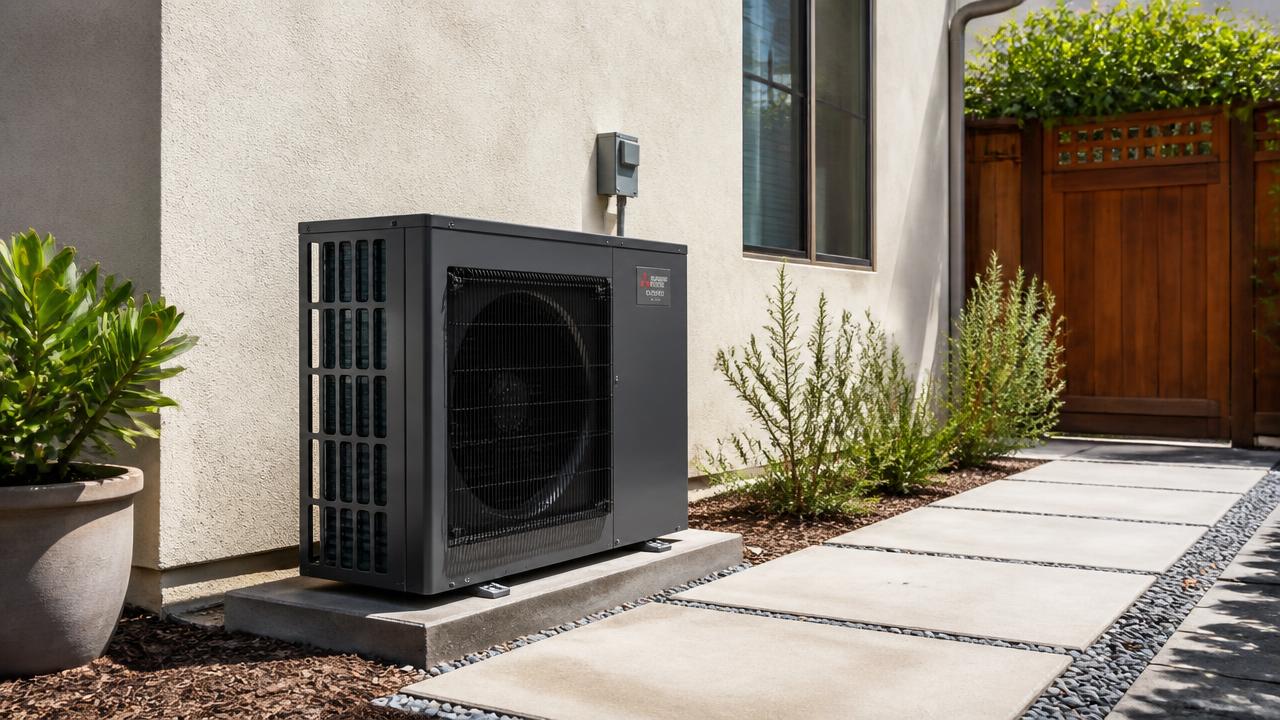
Heat pumps have gone from a niche option to one of the most requested systems in residential HVAC, and it's easy to see why. heat pump in California makes a lot of sense in a climate like Fresno's, where winters are mild enough that a heat pump rarely has to work at its performance limits. But the comparison to traditional gas systems isn't as simple as "electric is always better" or "gas is always more powerful." Each technology solves the heating and cooling problem differently, and understanding those differences matters more than chasing whichever term is trending.
How Each System Actually Works
| System | How It Heats | How It Cools |
|---|---|---|
| Heat pump | Moves heat from outside air into the home, even in cool weather | Reverses the cycle to move heat out of the home |
| Gas furnace + AC | Burns natural gas to generate heat directly | Separate air conditioner handles cooling |
The key difference is that a heat pump doesn't generate heat the way a furnace does — it transfers existing heat from one place to another, which is part of why it can also run in reverse to cool a home.
Efficiency Head-to-Head
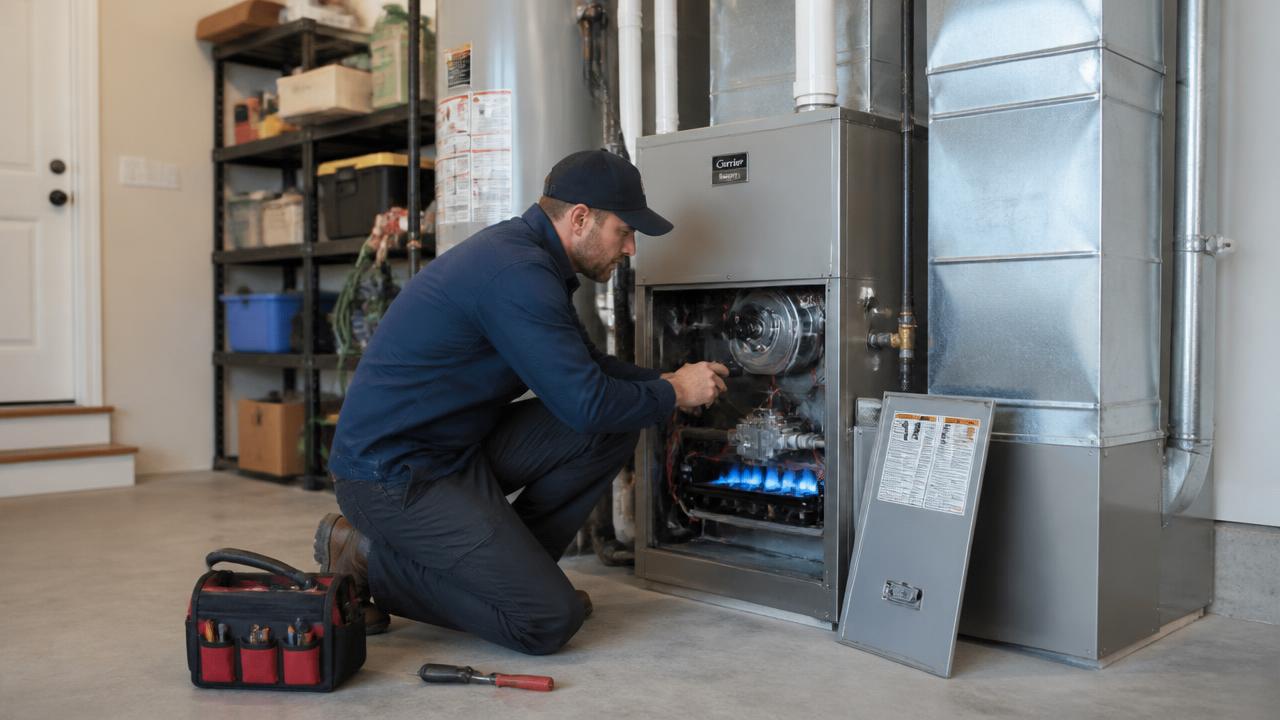
Heat pumps and gas furnaces are rated using different scales, which is part of why comparing them directly gets confusing. Gas furnaces are measured by AFUE, or how much fuel is converted to usable heat, while heat pumps are measured by HSPF for heating and SEER for cooling. According to ENERGY STAR's heat pump guidance, high-efficiency heat pumps can move significantly more energy than they consume, since they're transferring heat rather than generating it a fundamentally different process than combustion-based heating.
| Metric | What It Measures | Applies To |
|---|---|---|
| AFUE | Percentage of fuel converted to heat | Gas furnaces |
| HSPF | Heating efficiency over a season | Heat pumps |
| SEER | Cooling efficiency over a season | Heat pumps and air conditioners |
Performance in Cold Weather: Where Gas Still Has an Edge
| Outdoor Temperature | Heat Pump Performance | Gas Furnace Performance |
|---|---|---|
| Mild (above 40°F) | Excellent | Excellent |
| Cold (25–40°F) | Good, modern systems handle this well | Excellent, unaffected by outdoor temperature |
| Very cold (below 25°F) | Reduced efficiency without a backup heat source | Excellent, unaffected by outdoor temperature |
In a climate like Fresno's, where sustained sub-freezing temperatures are rare, this cold-weather gap matters far less than it would in a colder region one of the reasons heat pumps have become such a popular fit locally.
Environmental Considerations
Because heat pumps run on electricity rather than burning fuel on-site, they produce no direct combustion emissions at the home itself. The EPA's resources on energy and emissions note that the overall environmental impact of an electric system also depends on how the electricity powering it was generated, which varies by region and utility provider. Even accounting for that, heat pumps are generally considered a lower-emission option at the point of use compared to combustion-based heating.

Which One Fits Your Home
- Mild winter climate, want one system for heating and cooling: a heat pump is usually the simpler, more efficient choice.
- Regularly experience extended sub-freezing temperatures: a gas furnace, or a heat pump paired with gas backup, may perform more reliably.
- Already have gas infrastructure and a working system: replacing only the AC portion may make more sense than a full system swap.
- Building new or doing a full replacement: this is the ideal time to evaluate a heat pump, since installation costs are already part of the project.
The Bottom Line
Neither system wins in every situation, but for a lot of homes in a climate like Fresno's, a heat pump's ability to handle both heating and cooling efficiently makes it a genuinely strong option — not just a trend. The right call still comes down to your specific home, existing setup, and how the system will actually be used.
If you're weighing the two for your own home, Fresno Heating & Cooling can walk through both options and help figure out which one actually fits.
Not sure whether a heat pump or gas system fits your home?
Contact Fresno Heating and Cooling